$149.00
$1.00
50% OFF! Hot items selling fast—Grab them before they're gone!
 Unconditional Satisfaction GuaranteeNo Shipping Fees Above 302 Months to Decide. Returns Simplified.
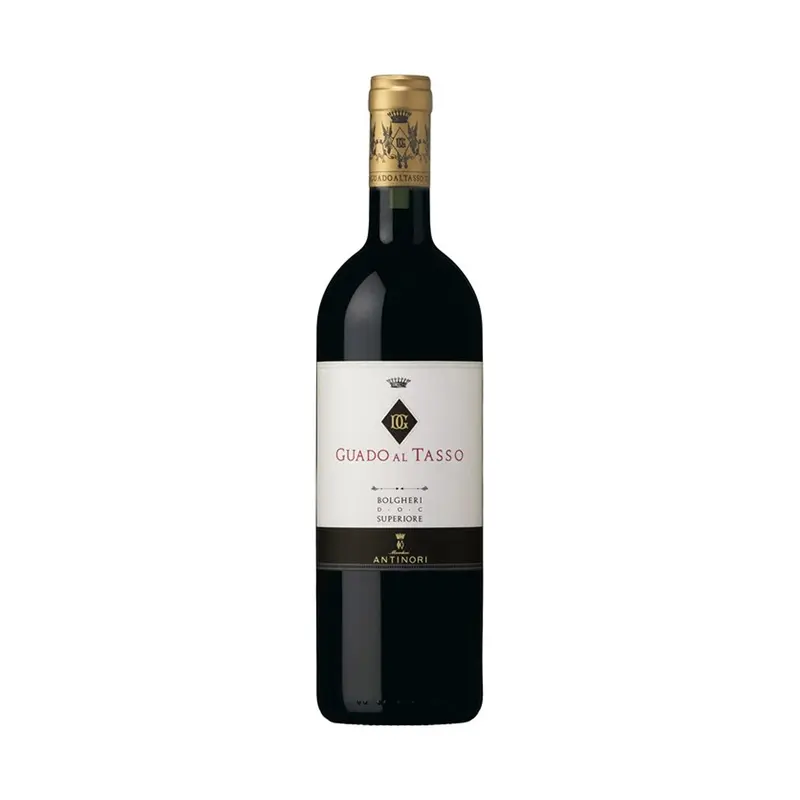
Colour: The wine is described as having an intense and lively colour. Some critics note it is a ‘baritone expression’ with ‘impenetrable black fruit’.
Aroma: It offers a rich and complex bouquet with notes of ripe berry fruit, tobacco, toasted coffee, and leather. Other notes include dark fruit, mocha, espresso, spice, and grilled herbs.
Palate: The palate is a vibrant one with beautiful intensity and purity, and an overall impression of balanced power. It features a rich concentration of black fruit and a tightly knit, yet supple, texture.
Body and Finish: This is a full bodied wine with well present tannins and freshness that contribute to its savour and persistence. The finish and aftertaste are complete, fragrant, spicy, and fruity.
Varietal Composition: A Red Bordeaux blend composed of Cabernet Sauvignon (60%), Merlot (20%), Cabernet Franc (18%), and Petit Verdot (2%).
Optimal Drinking Window: The wine is ready now, but youthful, with a drinking window suggested from 2022 to 2050 or 2020 to 2045, indicating very important ageing potential.
Stylistic Notes: The wine is powerful and explosive, showcasing a sublime balance between power, purity, and lasting persistence.
Wine Advocate – 97 points
James Suckling – 97 points
Vinous – 96 points
Decanter – 95 points
Wine Spectator – 95 points
Wine & Spirits – 94 points
Wine Enthusiast – 94 points
Suggested pairings for the structure and flavour profile of this Bolgheri Superiore include rich and structured dishes based on game such as wild boar or duck. Traditional Tuscan dishes like Bistecca alla Fiorentina (Tuscan steak) are an excellent pairing, as the wine’s bold structure and tannins complement the richness of the meat. Other ideal combinations include braised lamb with rosemary and garlic, or ossobuco. Together, they create an unforgettable dining experience.
The 2015 vintage in Bolgheri was widely considered exceptional and ‘magnanimous’, meeting all the standards of a ‘vintage handbook’. A mild, dry spring led to an early bud break and flowering, and after a hot start to summer, temperatures moderated from late July and throughout August. This, combined with good diurnal (day-to-night) temperature swings, ensured perfect phenolic ripeness, resulting in deep, highly concentrated wines with great character and excellent evolutionary potential.