$121.50
$242.99
50% OFF! Hot items selling fast—Grab them before they're gone!

 Unconditional Satisfaction GuaranteeNo Shipping Fees Above 302 Months to Decide. Returns Simplified.
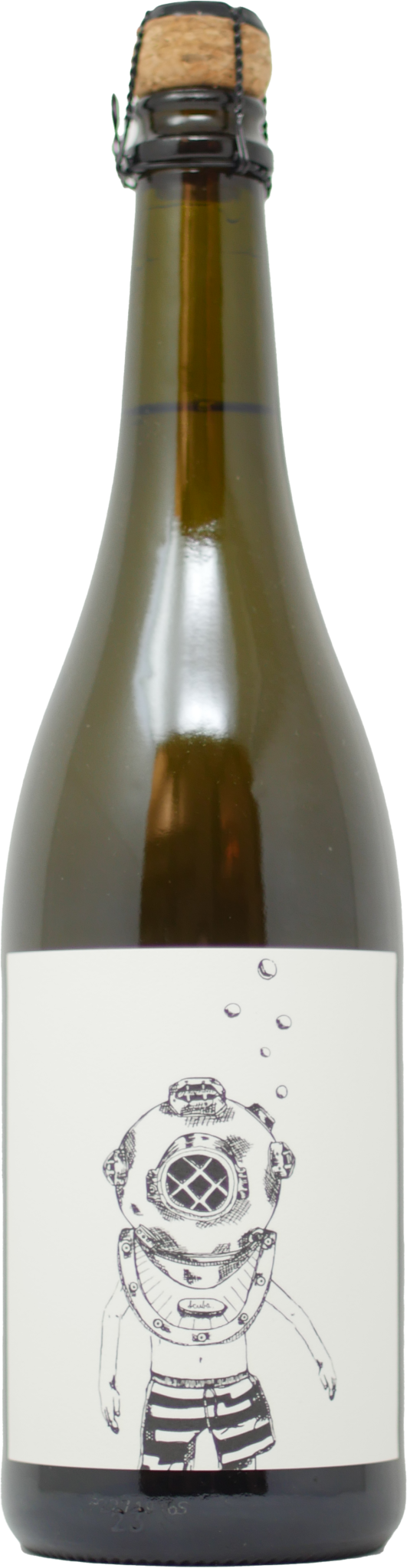
With an emphasis on craftsmanship, Hermann J. Wiemer Vineyard produces distinctive sparkling wines in the traditional method. Extended lees contact builds weight and texture on the palate. A focus on early ripeness underpins subtle fruit notes with a vibrant structure. The Cuve Brut 2019 is a blend of Chardonnay and Pinot Noir. Its fresh acidity is complemented by a lean mineral crunch and active mousse. 39 months on the lees.
The Wiemer estate spans 90-acres of prime vineyard sites on the western slopes of Seneca Lake and the wines are among the most acclaimed in the region. Estate fruit is hand-harvested and hand-sorted, and vineyard qualities are worked in small lots and then blended to create wines of balance and texture. Fermentations rely on indigenous yeasts to ensure each wine embodies the truest expression of site.
The namesake & founder, Hermann Wiemer, hails from one of the best Riesling producing areas of the world, Bernkastel, Germany. His mothers family had been making wine in Germanys Mosel Valley for more than 300 years and Hermann spent the summers of his youth learning to graft by hand. His father had been in charge of the Agricultural Experiment Station in Bernkastel and was responsible for restoring vines in the Mosel region after WWII. Hermann discovered that the cool climate and gravelly soils of the Finger Lakes were similar to his familys vineyards in the Mosel Valley. At a time when very few thought it was possible to grow vinifera varietals on Seneca Lake, Hermann believed that the unique soil types and moderating weather effects of the Finger Lakes would make it possible to produce great wines here.
In 2003, Hermanns apprentice Fred Merwarth took charge of winemaking and vineyard management. Freds talent and ambition brought fresh energy and vision to the winery, placing it on a new trajectory. In 2007, Hermann officially retired, handing over the winery to Fred, who partnered with his university friend, Swedish agronomist Oskar Bynke, to carry on Hermanns legacy. Over the last decade, they have embraced and expanded Hermanns detail-oriented approach to viticulture and winemaking, extensively working on understanding the relationship between the vines and soils of the Finger Lakes.