$57.00
$113.99
50% OFF! Hot items selling fast—Grab them before they're gone!
 Unconditional Satisfaction GuaranteeNo Shipping Fees Above 302 Months to Decide. Returns Simplified.
ABOUT THIS WINE:
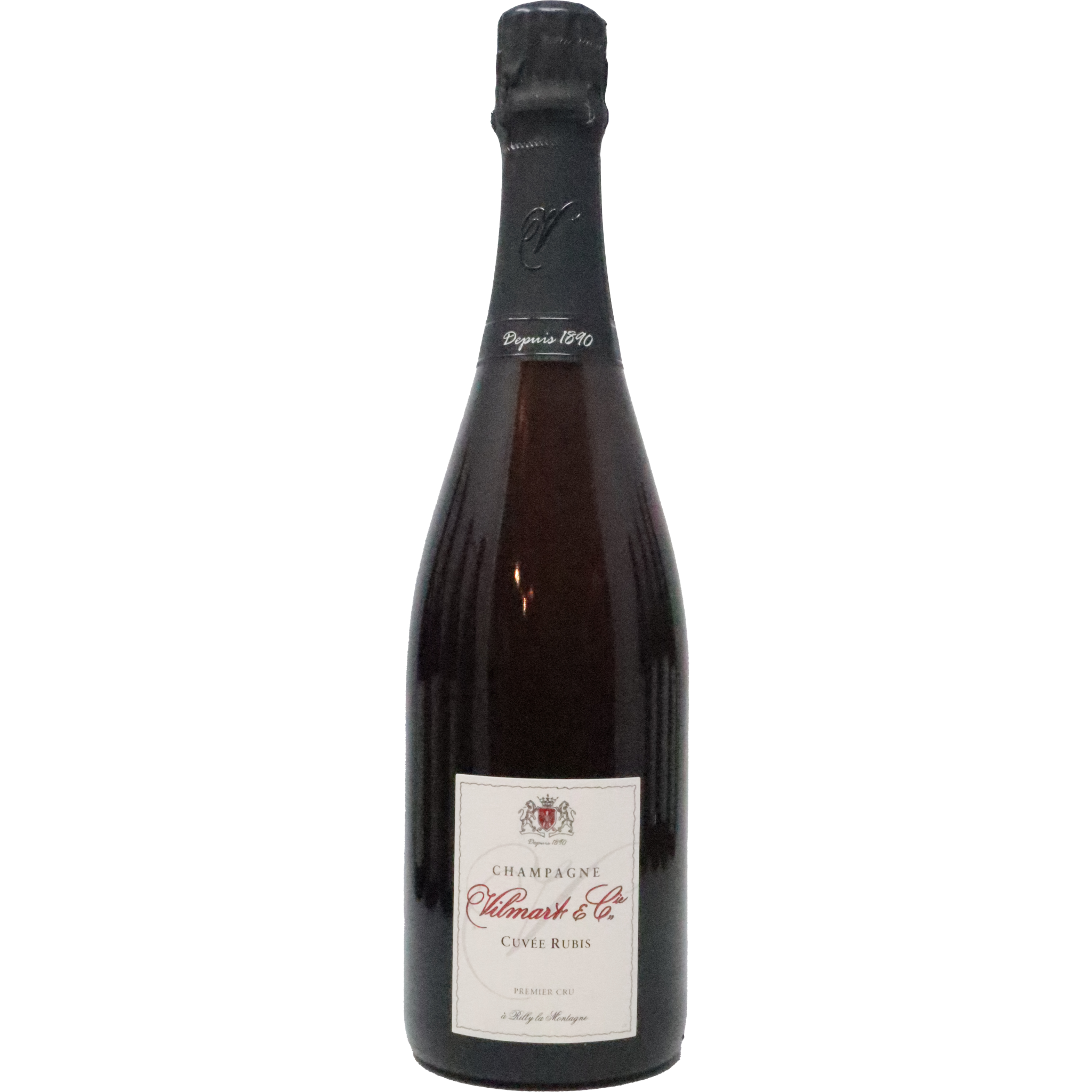
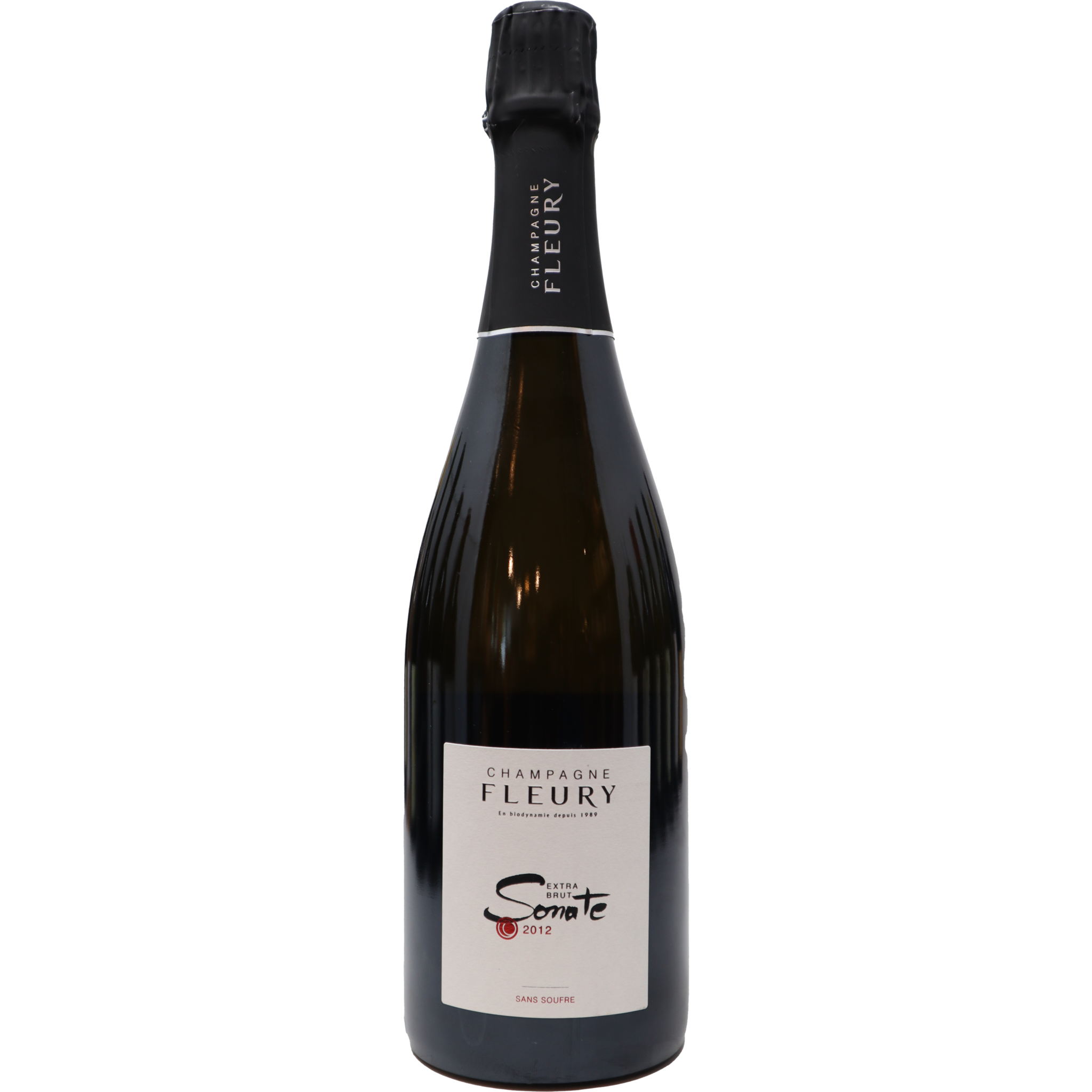
The blend is composed of 78% Pinot Noir and 22% Chardonnay. It has a very low dosage (less than 1g/L) and offers an extraordinary long finish. Served at approximatively 10C, this cuve is particularly recommended for the aperitif, and develops its full character within the first 15 minutes.
ABOUT THIS PRODUCER:
We were the first Champagne producers using biodynamics, claims Jean-Sbastien Fleury, current winemaker at Champagne Fleury. Champagne Fleury was founded by his great-grandfather in 1895, and its located in the Ctes de Bar, in the south of the Champagne region. In 1929, during the depression, grape prices were so low that Robert Fleury decided to take the then unusual step of bottling his own Champagne.
Champagne Fleurys comversion to biodynamics was at the hands of Jean-Sbastiens father, Jean-Pierre. His interest in sustainable wine growing began in the 1970s when he tried using manual tilling (as opposed to herbicides) and composting (as opposed to synthetic fertilizers). He began a trial with biodynamics, applying it to just 3 ha, in 1989 and then in 1992 used it across the whole of his vineyard holdings.
All 15 hectares that Fleury own (90% of which is Pinot Noir) are cultivated using biodynamics, which makes them the largest biodynamic producer in the entire Champagne region. Recently, two colleagues in the same village of Courteron were so impressed by the benefits that they have also switched, bringing the total to some 30 hectares in this village. Overall in Champagne, Jean-Sbastien reckons there are 8 or 9 growing doing biodynamics and a further 12 doing organics. It’s a challenge, because this is a region that experiences high disease pressure.
The key is soil health, he says. We must keep the earth healthy. The structure of the soil gives back the essence of the terroir.