$50.00
$99.99
50% OFF! Hot items selling fast—Grab them before they're gone!
 Unconditional Satisfaction GuaranteeNo Shipping Fees Above 302 Months to Decide. Returns Simplified.
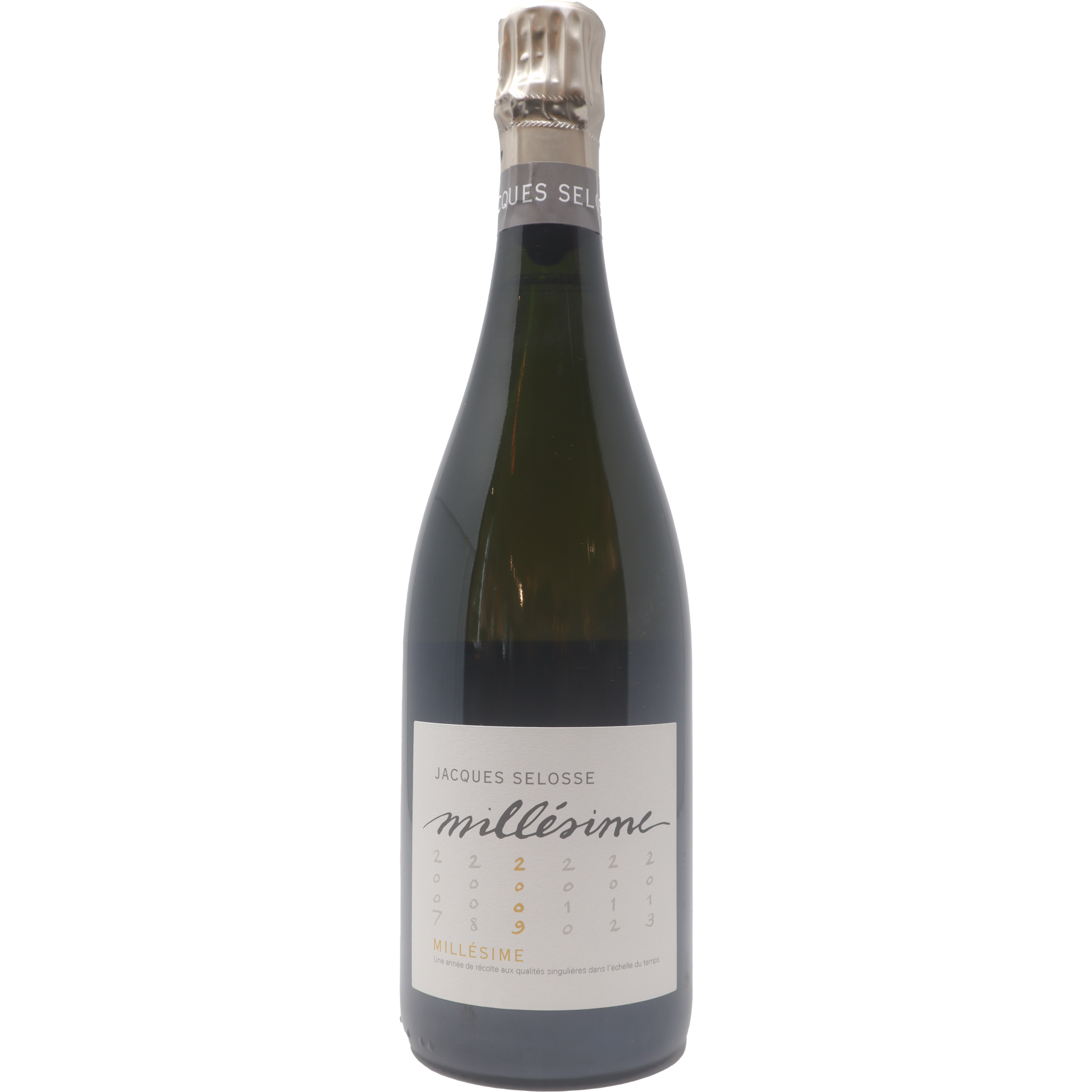
Since taking over Champagne Jacques Selosse in 1980, Anselme has used the uncompromising brilliance of his winesas well as no small amount of charismato challenge Champagnes old definitions for excellence. If we are seeing today that small, quality-driven growers have finally taken their share of the powerand the big houses are embracing the ideas of low yields, chemical-free vineyards and terroir-based winesAnselme surely deserves much of the credit.
Anselme came of age in the 1970s, a time when the Champagne industry was famously, and pervasively, indifferent to fruit quality. A few big producers called the shots, and small growers wielded little power. Nowhere else in France were brands so dominant, with fruit bought and sold as a commodity, and with the town of origin as the sole determinant of price. In this system, growers had no incentive for lower yields, or labor- intensive organic viticulture, and vineyard work generally was abysmal. It took a different perspective to understand what was wrong, and Anselme was the man to provide it. He had studied oenology not in Champagne, but in Burgundy, where he was introduced to such greats as Coche-Dury, Lafon and Leflaive. There he also learned the kind of commitment needed to produce profound, individualistic wines from great terroirs. In 1974, Anselme completed his studies and began to develop his ideas at his fathers estate, centered in Avize on the Cte de Blancs. Six years later the domaine became his, and he threw himself into radical change: dramatically reducing yields and farming organically. Working with his wife Corinne, he adopted ideas that were starting to become accepted in other parts of France but were still considered heretical by Champagnes establishment.